Blog

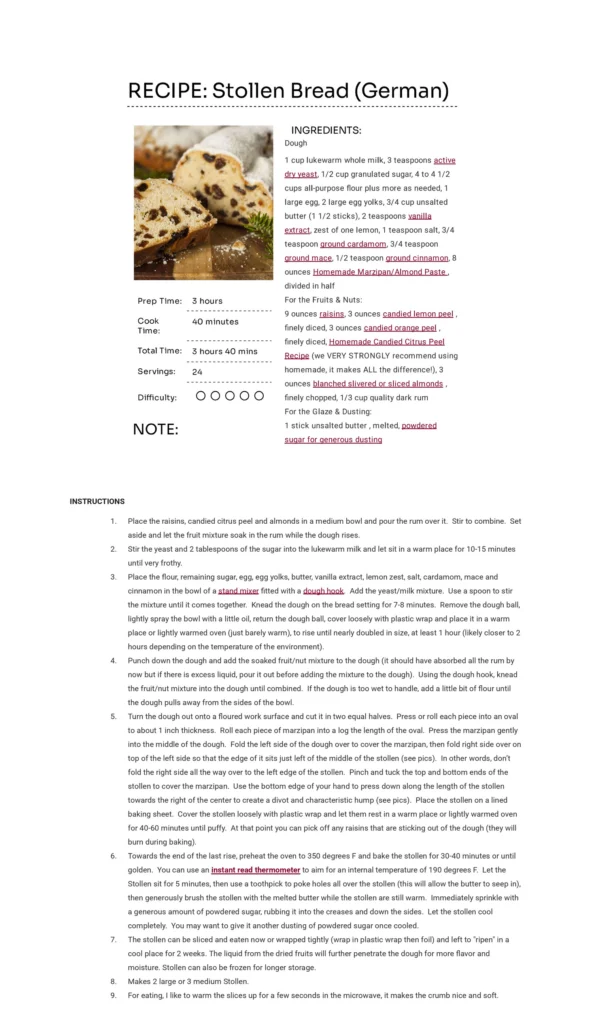
  • Stollen (German Christmas Bread)

    Where did it Originate?

    The first and most famous variety of stollen is the Dresdner Christstollen.  Some historians date its concept back to 1329, and over the centuries the stollen was refined to become what it is today.  And it has come a long way indeed because originally it was a bland and rather hard pastry as the use of butter and milk was forbidden during Lent by the Catholic church.  Petitions were submitted to the pope, the first one in 1450, for permission to use butter for making the Stollen but it was denied. Fifty years and five popes later, Prince Ernst von Sachsen, at the request of the bakers of Dresden, petitioned the pope again to lift the butter ban.  It was granted this time via the pope’s famous Butterbrief, “butter letter” – but only to members of the Prince’s household. A few select others were also granted permission but only on condition that they paid an annual sum of gold for the building of the Freiberg Minster.

    The butter ban was once an for all lifted during the Protestant Reformation of the 16th century. From that point the stollen gradually developed into an enjoyable sweet bread incorporating additional ingredients and it become an important symbol of the region.  King August II in 1730 commissioned the bakers of Dresden to bake a gigantic stollen in celebration of the strength of the Saxon military, an event to which he invited the dignitaries of Europe in the hope of building allies.  The stollen weighed 1.8 tons (that’s 3600 pounds!), was 27 feet long and 18 feet wide and a special oven was designed and built just for this purpose.  It took a convoy of eight horses to transport the stollen to the king’s table and a 26 pound and 5 1/4 foot-long knife was used to cut it.

    Germany’s first Christmas market was held in Dresden in 1434.  This market, the Dresdner Striezelmarkt, continues to be held every year.  Also held annually on the Saturday prior to the 2nd Advent is the Dresdner Stollenfest featuring Germany’s largest Christstollen.  So far 2013 holds the record for the largest Stollen weighing nearly 9400 pounds!  Each year a horse-drawn carriage parades the giant stollen through the streets and on to the Christmas market.  Per tradition, a replica of the original 5-foot long knife is used to slice the stollen.  The mayor of the city tastes the first piece and the stollen is then cut into thousands of pieces that are sold with the proceeds going to charity.
  • Mexican Maranittos

    Where did it Originate

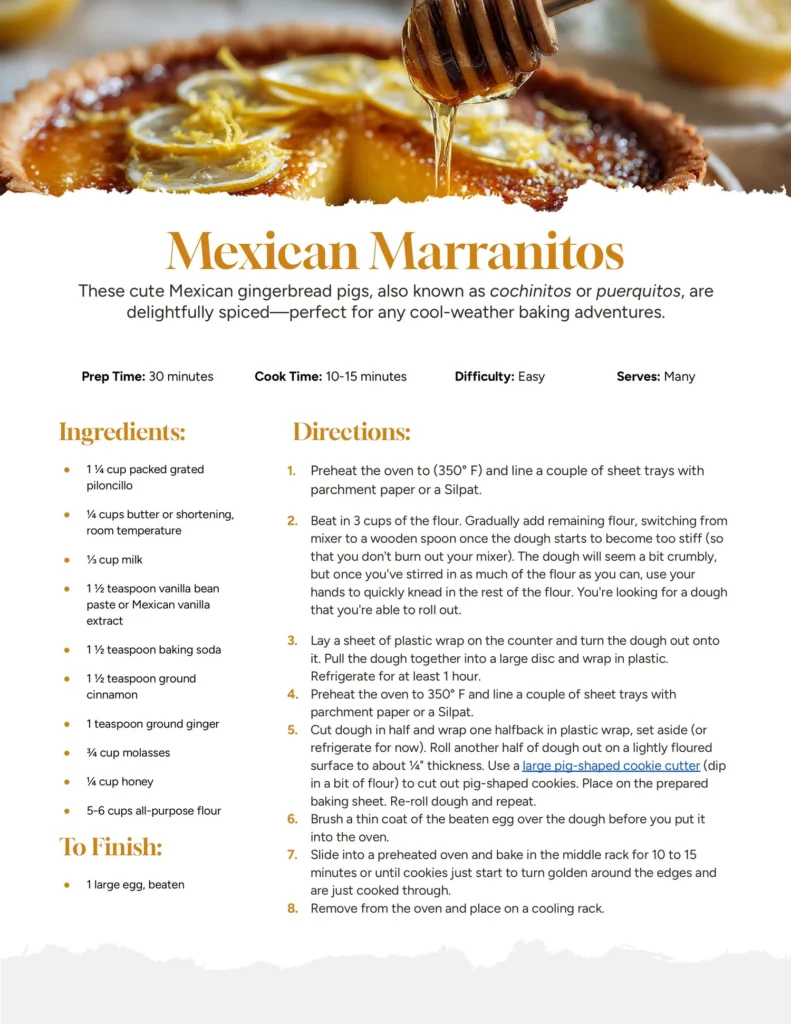
    Cochinitos de piloncillo, also known as marranitos, cochinitos and puerquitos (all meaning “little pigs” in Spanish), are a typical Mexican sweet bread (pan dulce) made with “piloncillo”—a type of sweetener made from sugar cane. Cochinitos are popular in bakeries in Mexico and throughout the US.

    Cochinitos de piloncillo are an oven-cooked pastry which forms a part of the Huastecan gastronomy in the northern section of the Gulf of Mexico in Mexico. The type of bread these treats are made from is chichimbré, the name chichimbré is a deformation of gingerbread. Gingerbread was brought by the English to Mexico during and after the First World War for the extraction of oil in Mexico, today ginger is no longer added, but instead other spices such as cinnamon and anise.

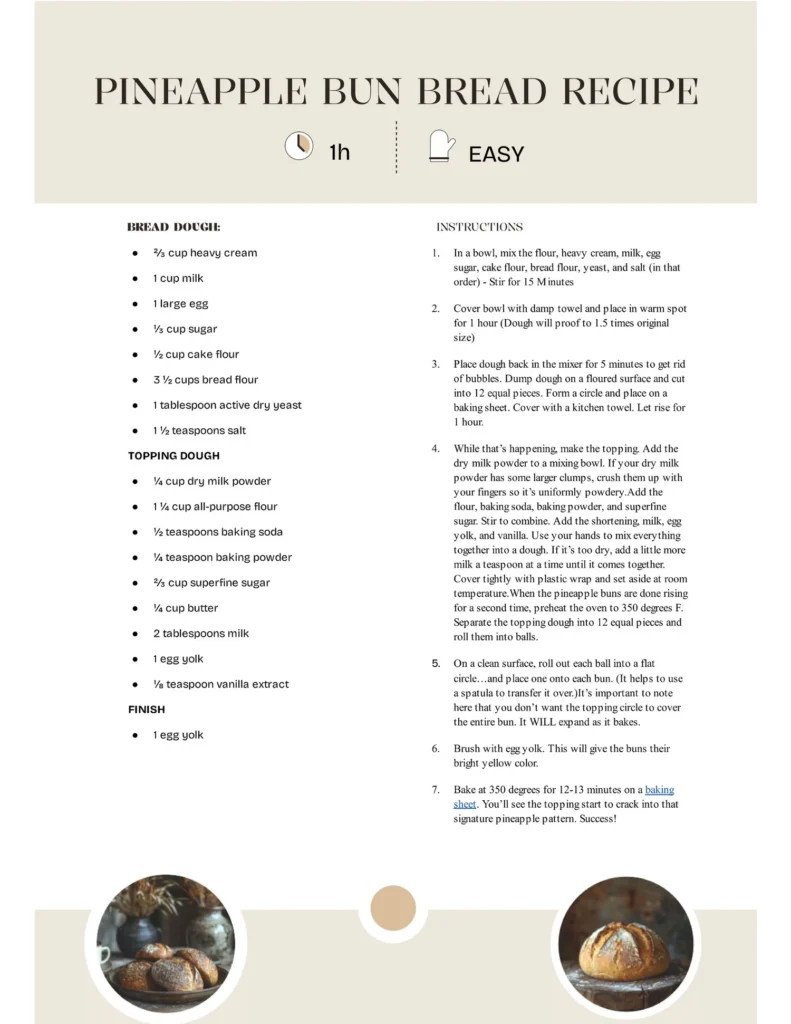
  • Pineapple Bun Recipe (bo lo baau)

    Where did it Originate?

    The origin of the pineapple bun is unclear. The earliest documented evidence of the pineapple bun can be traced back to Hong Kong in 1942. It was during this time that the Tai Tung Bakery first opened its doors to the public. The shop owner, Tse Ching-yuen, recalls that he has been making pineapple buns since he was just 11 years old. However, he acknowledges that there were similar baked goods in Japan before that period. At the time, they were called 酥皮包 (crispy-skin buns), but customers kept calling them pineapple buns.

    By another account, the Ng family was deported from Mexico to Hong Kong and opened a restaurant there in 1946. They slightly adapted the concha to the local palate, creating the pineapple bun.

    In June 2014, the government of Hong Kong listed the pineapple bun as a part of Hong Kong’s intangible cultural heritage. Tai Tung Bakery in Yuen Long, which had been making pineapple buns for more than 70 years, was a key proponent of including the technique for making the buns on the list of 480 items of living heritage.

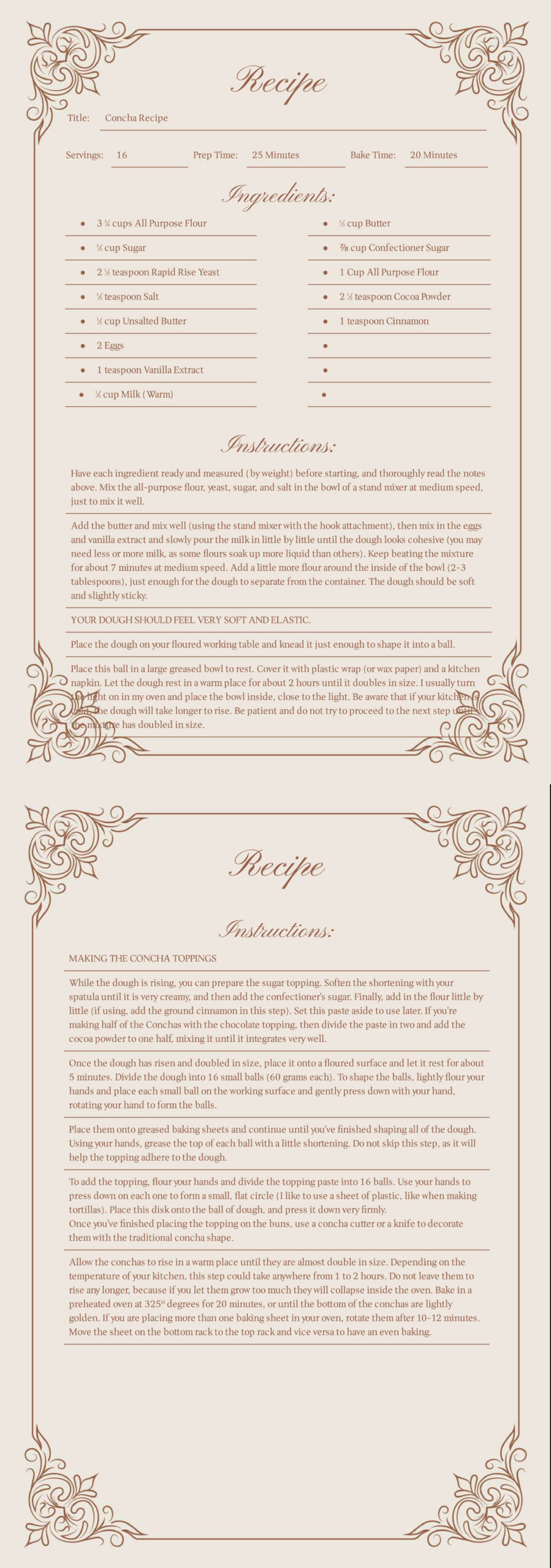
  • Mexican Concha

    Where did it Originate?

    concha is a traditional Mexican sweet bread (pan dulce) with similar consistency to a brioche. Conchas get their name from their round shape and their striped, seashell-like appearance. A concha consists of two parts: a sweetened bread roll, and a crunchy topping (composed of flour, butter, and sugar), the most common topping flavors being chocolate, vanilla, and strawberry. Conchas are commonly found throughout Mexico, Guatemala, and their diasporas in panaderias (‘bakeries’). They can also be found in grocery stores and bakeries across the United States.